Don't miss our new customer offer - up to 8% OFF! ( Code: kineo8off )

Street / Road Motorcycle Wheels: Style, Performance & Safety

Your motorcycle wheels are where style meets the pavement—and where safety begins.
I don’t think most riders think about their wheels enough. Not really. They’ll obsess over exhaust notes and seat comfort and handlebar height. But wheels? They’re just… there.
That’s a mistake.
Your wheels are doing a lot. They’re holding your tires. They’re taking every bump, every pothole, every hard brake. They affect how your bike handles in corners. How it accelerates. How it looks sitting in a parking lot. And yeah—they’re a safety component. A real one.
Choosing street motorcycle wheels isn’t just about picking something that looks cool. Though that matters too. It’s about finding the right balance between aesthetics, performance, and keeping the rubber side down when things get interesting.
Let’s get into it.
What Are Street / Road Motorcycle Wheels?
Street motorcycle wheels are specifically designed for paved roads. Sounds obvious, but it matters.
They’re not off-road wheels. Those need to flex more, handle rocks and roots, take abuse from terrain. They’re not pure track wheels either—those are optimized for one thing: going fast on smooth asphalt.
Street wheels have to do more. They deal with rain. Gravel patches. Oil slicks. Expansion joints. Manhole covers. They’re built for real-world conditions, not ideal ones.
Construction basics: you’ve got your rim (the outer part that holds the tire), the hub (center piece that connects to the axle), and whatever connects those two—either solid construction or spokes.
Materials vary. Most common is aluminum alloy. Some riders go with magnesium for weight savings. The serious folks—or the ones with serious budgets—look at carbon fiber.
Street wheels are engineered to be versatile. They need to perform in varied weather. Handle daily commutes and weekend canyon runs. Last through thousands of miles of regular riding. That’s a different engineering challenge than building wheels for a single purpose.
Types of Street Motorcycle Wheels
Not all wheels are created equal. The type you choose affects everything—how your bike performs, how much maintenance you’re doing, how it looks, what it costs.
Here’s what you’re working with.
1. Cast Wheels
Cast aluminum wheels are what most bikes come with from the factory. There’s a reason.
Manufacturing is straightforward: molten aluminum gets poured into molds. The process is relatively cheap to scale. Result: affordable wheels that work well for the vast majority of riders.
Benefits are real. They’re durable. Low maintenance—you clean them, you ride them, that’s about it. They handle everyday street conditions without complaint. Price point makes sense for most budgets.
Drawbacks? They’re heavier than forged alternatives. Not as strong pound-for-pound. Some riders call them “boring” or “basic.” I think that’s unfair, but I get the sentiment.
Best fit: standard street bikes, cruisers, beginner and intermediate riders. If you’re commuting daily or doing regular street riding, cast wheels do the job. No shame in that.
2. Forged Wheels
Forging is different. Instead of pouring liquid metal into a mold, you take solid aluminum and compress it under extreme pressure. The metal’s grain structure stays intact, which makes it stronger.
The benefits show up on the road. Lighter weight—noticeably lighter. That means better acceleration. Quicker handling response. Less unsprung mass, so your suspension works more efficiently.
Stronger too. The forging process creates a denser material. Same strength with less material, or more strength with the same amount.
The drawback is obvious: price. Forged wheels cost more. Sometimes significantly more. Manufacturing is more complex, material waste is lower but tooling costs are higher.
Best for sport bike riders. Performance-oriented folks who actually push their machines. Anyone chasing weight reduction as a priority. If you’re tracking your bike occasionally, forged makes sense. If you’re mostly riding to grab coffee, maybe not.
3. Wire-Spoke Wheels
The classic look. There’s nothing quite like a proper set of wire spokes catching light.
Design is traditional: individual metal spokes connect the hub to the rim, creating that distinctive pattern. Been around since the beginning of motorcycles, basically.
Benefits go beyond aesthetics. Spokes provide some natural flex, which can help absorb road imperfections. You can repair them—replace individual spokes if one fails or gets damaged. Looks killer on the right bike.
Downsides exist. Wire-spoke wheels typically require tube-type tires (some modern versions work with tubeless, but it’s complicated). More maintenance—spokes need tension checks, they can loosen over time. Often heavier than equivalent cast wheels.
These belong on cruisers. Classic bikes. Anything with a vintage aesthetic. If you’re building something that’s supposed to look timeless, spoke wheels are probably part of that vision.
4. Carbon Fiber Wheels
This is the premium tier. No other way to say it.
Carbon fiber composite construction creates wheels that are incredibly light. Like, dramatically lighter than even forged aluminum. The strength-to-weight ratio is exceptional. Race teams use these for good reason.
But—and this is a real but—they’re expensive. Very expensive. A set of quality carbon fiber wheels can cost more than some entire motorcycles. That’s not exaggeration.
They’re also less forgiving of impacts. Aluminum bends. Carbon fiber tends to crack or shatter. Hitting a nasty pothole is more consequential.
Best for: high-performance sport bikes, track day enthusiasts, serious riders who understand the benefits and can afford the investment. This isn’t a casual upgrade. It’s a commitment.
Style: Enhancing Your Motorcycle’s Aesthetic Appeal

Let’s talk looks.
Wheels are one of the most visible parts of your bike. They’re sitting right there, all the time, catching every eye. A wheel swap can completely change how your motorcycle presents itself.
It’s not superficial. How your bike looks affects how you feel riding it. That matters.
Wheel Finishes and Colors
Options have exploded over the years.
Polished aluminum is classic. Shows everything—dirt, brake dust, fingerprints—but looks gorgeous when clean. High maintenance, high reward.
Matte black is popular right now. Has been for a while. Easy to maintain, hides imperfections, works with almost any bike color. Maybe overdone? I don’t know. Still looks good.
Gloss black is similar but shinier. Shows scratches more readily. Some people prefer the depth it creates.
Bronze and gunmetal have had a moment. More interesting than black, less demanding than polished. Works particularly well on darker bikes.
Chrome is traditional. Still has its place on cruisers and custom builds. High maintenance—chrome shows water spots and doesn’t age gracefully if neglected.
Two-tone designs are becoming more common. Contrast cuts on machined faces, colored accents. Personal taste territory.
Current trend seems to be moving toward cleaner looks. Less flash, more subtlety. But trends cycle. What’s “in” now won’t be in five years.
Design Patterns and Spoke Configurations
Beyond finish, the actual design matters.
Five-spoke is common. Clean, balanced, classic. Safe choice.
Six-spoke and multi-spoke designs add visual complexity. Can look more aggressive or more refined depending on execution.
Split-spoke patterns create interesting visual effects at speed. The “floating” look that makes wheels seem to blur differently.
Solid disc designs exist—mostly on racing applications. Not common on street bikes for practical reasons (crosswind sensitivity, mainly).
Different patterns do affect aerodynamics slightly. And weight distribution. But honestly? For most street riding, these differences are marginal. Pick what you like looking at.
Matching Wheels to Your Bike’s Style
This is where taste comes in.
Sport bikes generally want aggressive designs. Sharp angles, modern aesthetics, light weight. Something that says “fast” even sitting still.
Cruisers can go multiple directions. Classic chrome wire spokes. Blacked-out modern cast wheels. Depends on whether you’re going traditional or contemporary.
Naked bikes often suit minimalist designs. Clean lines, nothing too busy. Let the mechanical components be the visual interest.
Touring bikes need to balance looks with function. Heavy loads, long miles. Wheels that look good but don’t demand constant attention.
General rule: your wheels should complement your bike’s personality, not fight against it. A retro-styled café racer with ultra-modern aggressive wheels looks confused. A cutting-edge superbike with chrome wire spokes looks like an identity crisis.
Match the vibe. Trust your instincts mostly.
Choosing the Right Street Motorcycle Wheels
Buying guide time. This is where we get practical about your specific situation.
Assess Your Riding Style
Start with honest questions.
What kind of riding do you actually do? Not what you imagine doing, what you really do. Commuting? Weekend trips? Canyon carving? Long tours? Trackdays?
What matters most to you? Performance improvements? Visual upgrade? Reliability and low maintenance?
Budget reality: what can you actually spend? Wheels aren’t cheap, and you’ll need tires and installation on top of the wheel cost.
Aesthetic vision: do you know what you want, or are you exploring options?
Your answers should guide your choice. A daily commuter prioritizes differently than a weekend warrior.
OEM vs. Aftermarket Wheels
Original equipment wheels—what came on your bike—have advantages. Guaranteed to fit. Covered under warranty (usually). Known quantity. The manufacturer tested them with your specific motorcycle.
Downsides: often heavier than aftermarket options. Conservative designs. Limited to what’s available for your model.
Aftermarket opens up possibilities. Performance improvements. More style options. Sometimes better value for what you get. But—you need to do research. Not all aftermarket wheels are created equal. Fitment requires confirmation.
OEM makes sense when: you want zero hassle, warranty matters, you’re happy with stock appearance.
Aftermarket makes sense when: you want specific improvements, OEM options don’t exist for your needs, you’re willing to research properly.
Budget Considerations
Real numbers, roughly:
Cast wheels: $300-800 per wheel. Maybe less for budget options, more for premium cast.
Forged wheels: $800-2000+ per wheel. Quality forged sets are an investment.
Carbon fiber: $3000-5000+ for a set. Sometimes more. This is serious money.
But don’t just count wheel cost. You need tires too. Installation and balancing. Maybe new valve stems or sensors if your bike has TPMS.
Total project cost matters more than just the wheel price tag.
Here’s my take: don’t go cheap on wheels. This is a safety component. Budget options from unknown manufacturers might save money short-term, but you’re trusting these things with your life. Quality matters here.
Value and cheap aren’t the same thing. Look for value.
Size and Fitment Requirements
This is non-negotiable territory.
Your wheels must fit properly. Not “close enough.” Properly.
Check your owner’s manual. Look at your current wheel markings. Contact manufacturers with your specific bike model.
Measurements that matter: diameter (17″, 18″, etc.), width, offset, bolt pattern, hub bore. All of them. Getting some right but not others creates problems.
Improper fitment affects handling. Can affect braking. Creates clearance issues. Might make your bike literally unsafe.
I’ve seen people buy wheels because they looked cool without confirming fitment. It doesn’t end well. Sometimes they can return them. Sometimes they’re stuck.
Measure twice, buy once. Actually, measure three times.
Brand Reputation and Reviews
Brand matters with wheels.
Established companies like Marchesini, OZ Racing, BST have reputations because they’ve earned them. Consistent quality. Proper engineering. They stand behind their products.
Research before buying. Read customer reviews—not just on the seller’s site, look at forums and rider communities. See what actual riders say after thousands of miles.
Warning signs for questionable manufacturers: no clear company information, prices way below market, no real reviews from identifiable sources, vague specifications.
Community knowledge is valuable here. Motorcycle forums have discussions about specific wheels on specific bikes. Use that resource.
How often should I replace my motorcycle wheels?
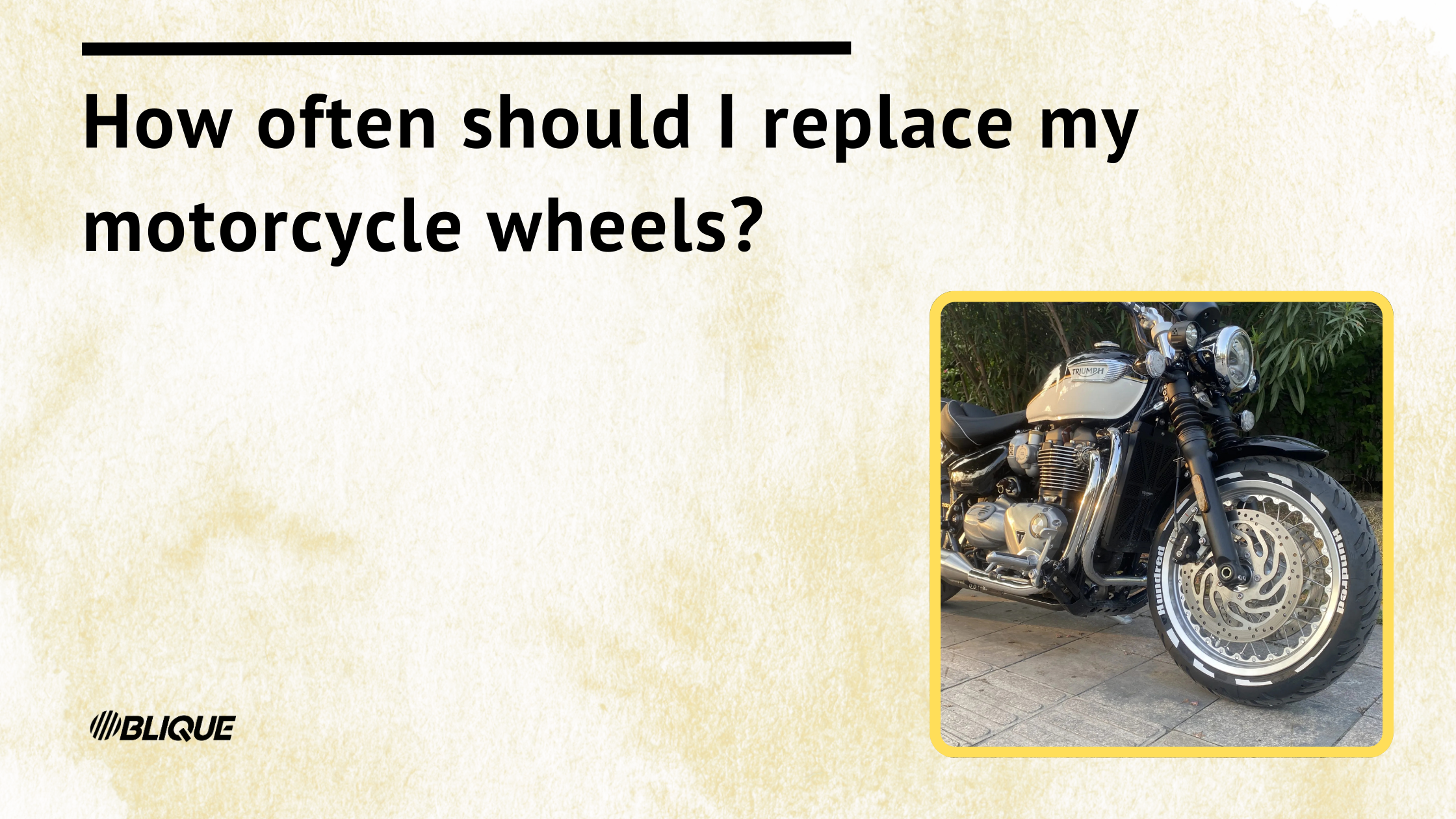
There’s no set schedule. Wheels don’t wear out like tires do.
Replace based on condition. Inspect regularly for cracks, dents, significant scratches, corrosion. After any significant impact—curb hits, pothole encounters, drops—do a careful check.
Well-maintained cast aluminum wheels can last the life of a motorcycle. Decades, potentially. But damage happens. When it does, don’t gamble.
Replacement is necessary when: structural damage exists, cracks appear (even small ones), the wheel won’t balance properly anymore, you can see visible deformation.
Replacement is optional when: you want better performance, aesthetics don’t satisfy you anymore, you’re building a project bike.
Can I install different size wheels on my motorcycle?
Technically possible. Practically complicated.
Going to a different size affects everything. Your speedometer reads wrong. Handling characteristics change. Clearances become issues—fenders, chains, brake components.
Bigger wheels might not fit without modification. Smaller wheels might drop your ride height too much.
Some size changes are common and well-documented. Going from a 17″ to an 18″ on certain cruisers, for example. Other changes require serious fabrication work.
Legal considerations exist too. Some jurisdictions have regulations about wheel modifications.
My recommendation: consult a professional before changing sizes. Someone who knows your specific bike. The internet is full of “I did it and it’s fine” stories, but you don’t hear from the people who had problems.
Are forged wheels worth the extra cost?
Depends on who you are.
For sport riders who push their bikes, who care about weight and handling response, who track occasionally? Probably yes. The performance benefits are real and noticeable.
For commuters, casual riders, those who prioritize comfort over speed? Probably not worth the premium. Cast wheels work great. You won’t notice what you’re “missing.”
It’s like any performance upgrade. The benefits exist, but they’re marginal for normal use. You pay for the last 5-10% of improvement.
I think forged wheels are worth it if: you’ll notice the difference (aggressive riding style), weight savings matters for your goals, you have the budget without stretching, quality matters to you as a principle.
Not worth it if: you’re mostly riding casually, budget is tight, you won’t actually push the limits where the benefits appear.
Do lighter wheels really make a noticeable difference?
Yes. Especially in certain situations.
Lighter wheels mean less rotational mass. Your bike accelerates faster—engine doesn’t work as hard to spin the wheel up. Direction changes come quicker. Suspension responds better because unsprung weight decreased.
What riders notice first: quicker steering input response, improved acceleration feel (especially in lower gears), sometimes better braking.
The difference is more obvious on sport bikes ridden aggressively. A canyon run reveals it more than freeway cruising.
Diminishing returns apply. Going from heavy cast to decent forged? Noticeable. Going from good forged to premium carbon? Still there, but smaller gap. At some point you’re chasing marginal gains.
For casual street riding, honestly, you might not feel a dramatic change. You’ll know it’s better intellectually, but the seat-of-pants difference might be subtle.
Can damaged wheels be repaired?
Sometimes. But not always safely.
Minor cosmetic damage—scratches, light curb rash—can often be repaired. Refinishing and touch-up work exists for a reason.
Structural damage is different. Cracks are generally not repairable. Bends might be correctable on some wheels, but the metal’s been stressed. Significant impacts that caused deformation are concerning.
Wire-spoke wheels have an advantage here. Individual spokes can be replaced. The rim might be repairable if the hub is fine.
Cast and forged wheels with structural damage? Usually better to replace. Repair attempts on cracked wheels are risky. Failure means sudden loss of tire air at speed. Not worth it.
Always get professional assessment. A good wheel specialist can tell you what’s salvageable and what’s not. Don’t guess on this one.
Cost comparison matters too. Sometimes repair costs approach replacement costs. At that point, new wheels make more sense.
What’s the best wheel material for street riding?
For most riders: aluminum alloy. Either cast or forged.
Cast aluminum offers the best balance of cost, durability, and performance for everyday street riding. It’s proven, it’s affordable, it works.
Forged aluminum is the upgrade when you want performance improvements but don’t want the expense and fragility concerns of carbon fiber.
Carbon fiber is amazing but expensive and better suited to track use or serious performance applications.
Magnesium exists but is less common, typically seen on racing or extremely weight-sensitive applications.
My recommendation by rider type:
- Commuters and casual riders: cast aluminum, quality brand
- Sport riders and enthusiasts: forged aluminum
- Track-focused with budget: carbon fiber
- Classic/cruiser builds: depends on aesthetic—wire spoke or cast
Don’t overthink it. Aluminum alloy handles street conditions well. Pick cast or forged based on your performance priorities and budget.
How do I know if my wheels are properly balanced?
You’ll feel it if they’re not.
Vibration through the handlebars is the main symptom. Usually shows up at certain speeds—might be smooth at 40, vibrating at 60, smooth again at 80. Or constant above a certain speed.
The faster you go, the more imbalance reveals itself. Highway speeds make it obvious.
Other signs: uneven tire wear, handling that feels “off” without clear cause, steering that seems to shimmy.
Proper balancing is done when tires are mounted. Should be done every tire change. If you’re feeling vibration with newer tires, might be worth re-checking the balance.
Wheel weights come off sometimes. Road debris, pressure washing, just age. If vibration develops after your tires have been on for a while, balance might have shifted.
Any competent motorcycle shop can check and rebalance. Not expensive. Worth doing if you’re experiencing symptoms or just want confirmation that everything’s right.