Don't miss our new customer offer - up to 8% OFF! ( Code: kineo8off )

Honda Africa Twin Wheels & Rims: Complete Upgrade Guide for Adventure Riders

Your wheels take the worst of it. Every rock, rut, and pothole on the trail hits your Honda Africa Twin wheels first. And if you’re riding the way this bike was built to be ridden, that’s a lot of abuse.
Whether you own a CRF1000L or the newer CRF1100L, wheel selection directly affects how your Africa Twin performs off-road, how comfortable it feels on highway stretches, and honestly, how safe you are when things go sideways. Factory wheels work fine for most riders. But there’s a reason the aftermarket exists. Stronger rims. Lighter weight. Tubeless capability. These upgrades change how the bike rides in ways that matter.
This guide covers everything. OEM specifications for both generations. Aftermarket options from budget builds to premium Italian engineering. Tubeless versus tubed systems and why that choice matters more than you’d think. Plus maintenance tips to keep whatever wheels you choose spinning true for years.
Understanding Honda Africa Twin Wheel Specifications
Knowing your specifications matters before you spend money on upgrades or replacements. Get the numbers wrong and you’re looking at return shipping costs. Or worse, wheels that technically fit but handle terribly.
The Africa Twin has evolved across model years. Different wheel sizes between standard and Adventure Sports variants. Different spoke configurations. Different tubeless compatibility. Understanding what you have helps you understand what you actually need.
Stock Wheel Sizes: CRF1000L vs CRF1100L
Standard Africa Twin models run 21-inch front and 18-inch rear wheels. This is the classic adventure bike setup. Big front wheel rolls over obstacles. Reasonable rear tire selection. Off-road focused but highway capable.
Adventure Sports models flip the script with 19-inch front wheels and wider rims. More road-focused. Better stability when loaded. Sacrifices some off-road clearance for planted highway feel.
Wire-spoked wheels appear across all model years, but construction differs. Early CRF1000L models came with tubed spoked wheels. Required inner tubes. Made puncture repairs annoying in the middle of nowhere.
Here’s the good news. 2024 and newer models feature tubeless tires as standard. Honda finally caught up to what aftermarket builders figured out years ago.
Tire sizes break down like this:
- Standard models: 90/90-21 front, 150/70-18 rear
- Adventure Sports: 110/80-19 front, 150/70-18 rear
The front tire difference is significant. That 110/80-19 has more contact patch than the skinny 90/90-21. Different riding feel entirely.
OEM Wheel Materials and Construction
Factory wheels use aluminum alloy rims laced with steel spokes. Standard motorcycle construction. Nothing exotic.
Spoke counts differ between front and rear. More spokes generally means stronger wheel, but also more weight. Honda balances durability against cost and weight for the average buyer.
OEM wheels aren’t light. They’re built to survive warranty claims, not win races. That means extra material, extra weight, extra strength margin.
Newer models feature tubeless-compatible spoked wheels from the factory. The rim design seals properly without tube requirements. Significant improvement over earlier generations that needed tubes or aftermarket conversions.
Why Upgrade Your Africa Twin Wheels?
Riders upgrade their Africa Twin wheels for different reasons. Some want durability that survives serious abuse. Some want weight savings. Some just got sick of dealing with tubes on their 2018 model.
Having a second wheelset matters too. Keep street rubber on one set, aggressive knobbies on another. Swap in 15 minutes instead of paying for tire changes twice a season. The upfront cost stings but the convenience adds up.
Stock Wheel Limitations
OEM wheels weren’t designed for extreme off-road punishment. They handle normal adventure riding fine. But start hitting technical terrain regularly and problems appear.
Stock rims can bend or crack under harsh impacts. Rocks don’t care about your warranty. Neither do square-edged potholes at speed.
Weight is the other issue. Factory wheels carry extra material for durability margin. That’s unsprung weight your suspension has to manage over every bump.
Early Africa Twins required tubes. That’s the real pain point. Pick up a thorn in the desert and you’re pulling the wheel, breaking the bead, patching or replacing the tube, and reassembling. With tubeless? Plug it and ride.
Performance Benefits of Aftermarket Wheels
Weight savings hit you first. Removing tubes alone saves 800 grams to 2 kilograms depending on tire size. Add a lighter rim and you’re talking real improvement.
That weight reduction improves handling. Less unsprung mass means the suspension works better. Follows terrain instead of fighting it. The bike feels more responsive.
Tubeless capability transforms puncture situations. Flat repairs become plug-and-ride instead of hour-long trail repairs. Carry a plug kit instead of spare tubes, patches, and levers.
Stronger construction handles abuse. Excel rims, Takasago quality. Built for rocky terrain where stock rims give up.
You can run lower tire pressures with tubeless setups. Better traction. More comfortable ride. Less chance of pinch flats destroying your tube because there’s no tube to destroy.
Customization matters too. Colors, spoke patterns, hub finishes. Make the bike yours.
Types of Aftermarket Wheels for Honda Africa Twin
The aftermarket ranges from budget Chinese builds to hand-laced Italian craftsmanship. Different price points serve different needs.
Understanding the options helps match your investment to your actual riding.
Tubeless Spoked Wheels
Tubeless spoked technology solved the adventure bike dilemma. Spoked wheel strength and repairability. Tubeless tire convenience. Both together.
Kineo builds one-piece airtight rims with external spoke mounting. No holes through the rim at all. The spokes end outside the air chamber. Clean engineering. Premium pricing.
Alpina STS2 uses an O-ring sealed system with forged rims. No welding in the rim construction. Safety clips prevent nipple ejection. European quality with extensive color options.
Warp 9 offers custom color options with everything included. Cush drive, rotors, the works. American company, builds to order.
Woody’s Wheel Works makes Superlite wheels with proprietary lacing patterns and billet hubs. Claims lightest and strongest available.
Haan/Excel combinations pair Dutch hubs with Japanese rims. Serious durability focus.
Pricing runs $1,500 to $3,500 for complete sets depending on brand and specifications. Custom orders typically take 8 to 10 weeks. Plan ahead.
These wheels prevent immediate deflation after punctures. You feel the pressure dropping and have time to address it. Tubes just blow out.
Traditional Tubed Spoked Wheels
Heavy-duty Excel Takasago rims with traditional spoke construction remain viable. Yes, they require tubes. But they cost less and survive serious abuse.
Maximum strength for minimum price. Serious off-road riders beating their equipment into submission sometimes prefer this approach.
Talon hubs and custom Buchanan spoke options let you build exactly what you need. Quality components, proven designs.
These setups run $400 to $800 cheaper than tubeless alternatives. For riders prioritizing durability over flat repair convenience, the savings matter.
Supermoto/Street Wheel Options
17-inch wheel conversions exist for riders who bought an Africa Twin and discovered they mostly ride pavement.
Benefits are significant for street use. Wider tire selection. Way better on-road handling. Sport bike tire compatibility opens up compounds and tread patterns unavailable in adventure sizes.
You sacrifice off-road capability almost entirely. These aren’t trail wheels. They’re street wheels on an adventure chassis.
Typical sizing runs 17×3.5 front and 17×4.25 rear. Completely transforms how the bike corners on pavement.
Top Aftermarket Wheel Brands for Africa Twin
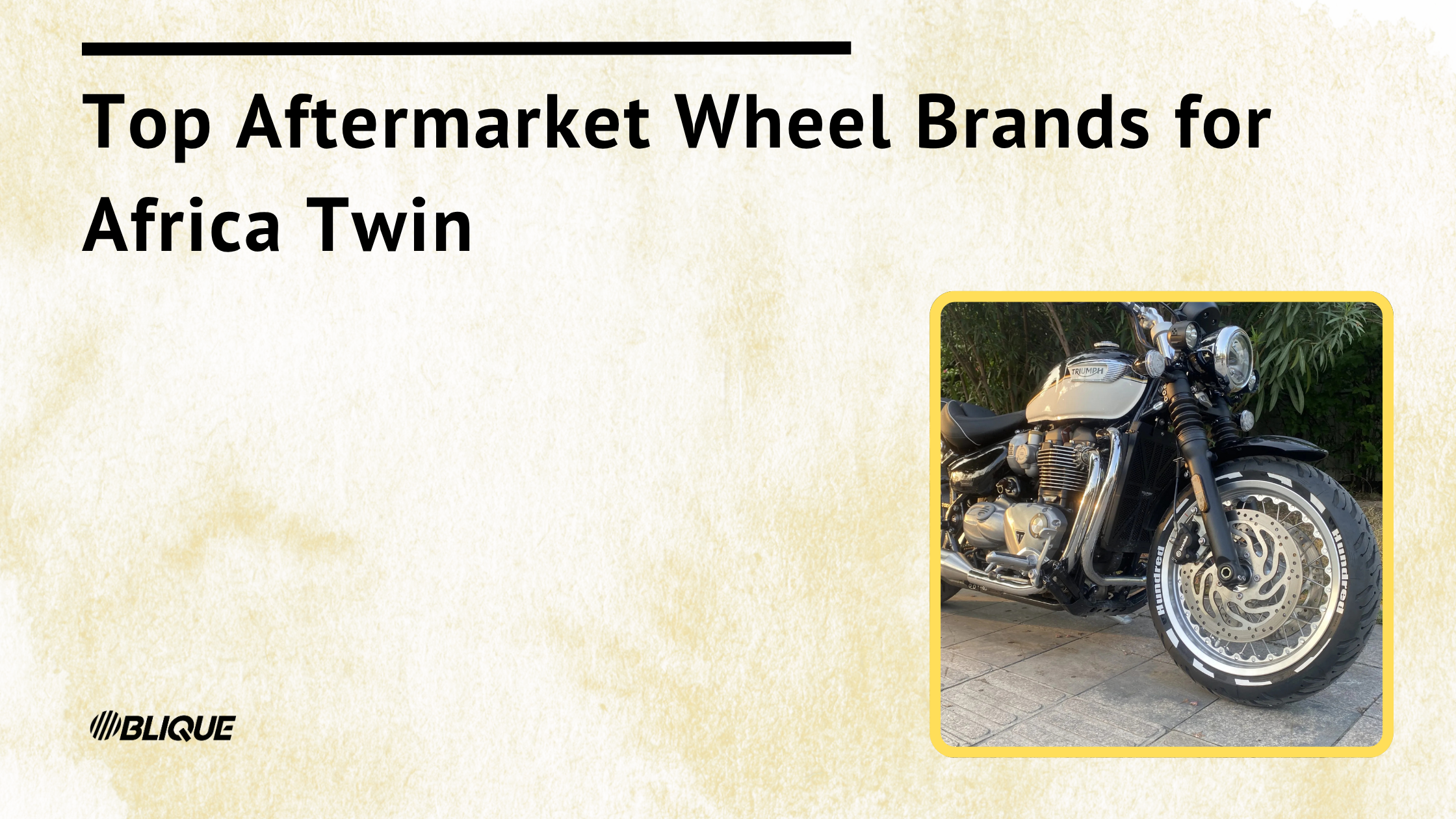
Some brands dominate the Africa Twin wheel market. Each brings different strengths and price points.
Kineo Wheels
Italian manufacturer. Premium segment. Not cheap but genuinely different engineering.
The key is their spoke mounting system. Spokes attach externally with no rim penetration at all. The rim itself is one piece, completely airtight. No seals to fail because there’s nothing to seal.
7000-grade aluminum construction. CNC machined precision. Includes brake disc carriers that work with OEM components. ABS sensor compatibility out of the box.
Expect to pay around £2,458 or $3,000-plus depending on specifications. Multiple hub and spoke color options available.
Known for innovative engineering and premium quality. If you want the best and can afford it, Kineo delivers.
Alpina Tubeless Wheels
Over 100 years of spoke manufacturing experience. These people know wire wheels.
Their STS2 system uses O-ring seals with forged, weldless rim construction. Safety clips keep nipples from ejecting during impacts. Paranoid engineering.
Extensive color combinations including bicolor options. Plug-and-play installation on Africa Twin.
2-year guarantee with replacement sealing rings available when needed.
Price range lands around £1,779 to £1,850. Good balance between quality and value. Not the cheapest, not the priciest.
Rim thickness increases up to 12mm at center for performance applications. Stronger where it matters.
Warp 9 Racing Wheels
American company building custom wheels to order. Specializes in adventure and supermoto applications.
Elite 7050 series aluminum rims available in various sizes. 21×2.15 or 19×3.0 front. 18×4.25 or 17×5.0 rear. Options for whatever setup you’re running.
Extensive customization with powder-coated spokes and anodized hubs. Pick your colors.
Complete package includes aluminum cush drive, new carrier and sprocket, dual front Apex floating rotors. Everything you need arrives together.
Compatible with OEM speedometer. No adapter hassles.
Build time runs 2 to 8 weeks normally. 10 to 12 weeks during peak season. Summer orders take longer.
Unique service policy. $60 repair fee covers issues that would void warranties elsewhere. They’d rather fix your wheel than argue about coverage.
Price range $1,800 to $2,500 depending on specifications.
Woody’s Wheel Works
Premium American custom builder. Hand-built wheels with serious attention.
Superlite and Superlace proprietary lacing patterns. Not standard crossings. Optimized designs.
Billet hubs anodized in any color. Excel Takasago rims. Quality components throughout.
Claims lightest and strongest wheels available. Hard to verify but their reputation backs it up.
Option for oversized front bearings on some builds. Extra durability for hard use.
Tubeless conversion available on their builds.
Known for craftsmanship and customer service. Communication throughout the build process.
Pricing competitive with other premium brands. Not cheap, but you’re paying for hand-built quality.
Haan/Excel Wheels
Dutch-made Haan hubs laced to Japanese Excel Takasago rims. Two quality manufacturers combined.
Ultra-heavy-duty construction. Built for extreme off-road where breakage ends your trip.
3-year warranty on Haan hubs. They stand behind their product.
Various color options. Tubeless available on some configurations but most require tubes.
Made in Netherlands with heavy-duty spoke specifications.
Excel rims are “must-have for rocky terrain” among serious adventure riders. The reputation is earned.
Budget-friendlier than full tubeless systems while still delivering performance.
Budget-Friendly Alternatives
Not everyone has $3,000 for wheels. Options exist.
VMX and KKE Racing offer complete tubeless wheelsets from Chinese manufacturing. $800 to $1,200 range. Quality varies. Some riders report good experiences, others have problems.
DIY rim relacing with custom Buchanan spokes lets you upgrade incrementally. New spokes and nipples on existing hubs, or upgrade piece by piece.
Used OEM wheelsets from riders upgrading create opportunities. Previous-generation Africa Twin wheels fit current bikes. Check forums and marketplaces.
Rally Raid and SMPro Bartubeless conversion systems let you make existing wheels tubeless. $300 to $500 plus installation.
Trade-offs exist in build quality and warranty coverage. Saving money upfront might cost more later. Might not. Depends on the specific product and your luck.
Sizing and Fitment Guide
Wheel size determines what your Africa Twin does well and what it compromises on. Choose based on actual riding, not aspirational riding.
21/18 Setup: Off-Road Focused
Standard Africa Twin configuration. What Honda intended for adventure use.
21-inch front with 21×2.15 width (or narrower 21×1.85 option available). Tall sidewall provides obstacle clearance. Better impact absorption over rough terrain. Traditional adventure bike feel.
Maximum off-road traction from that big front contact patch angle.
18×4.25 rear offers good tire selection. Balances off-road grip with reasonable on-road stability.
Best setup for riders doing 40% or more off-road riding. Technical trails. Long-distance adventure touring with unpaved sections.
This configuration maximizes ground clearance at 9.8 inches on standard models.
Tire selection is excellent:
- Michelin Anakee Wild
- Pirelli Scorpion Rally
- Continental TKC80
- Metzeler Karoo
All proven options with various bias toward dirt or street.
19/18 Setup: Balanced Performance
Adventure Sports specification. Honda’s answer to “what if more road riding?”
19-inch front with wider 110/80-19 tire provides more grip and feedback. That extra rubber width plants the front end.
Improved on-road stability, especially when loaded with luggage and passenger.
Better highway manners. Less buffeting. More planted feel at sustained speeds.
Slightly sacrifices off-road capability compared to 21-inch setup. Rocks that the bigger wheel rolled over might catch this one.
Maintains 18-inch rear. Same tire options there.
Ideal for 70/30 street to dirt riders. Fully-loaded touring situations. Two-up riding where stability matters. Riders wanting better pavement performance.
2024 and newer Adventure Sports models ship with this configuration and reduced suspension travel at 7.3 inches front. The whole package targets road bias.
Rim widths also run wider on Adventure Sports models. More tire footprint.
17/17 Supermoto Conversion
Full street transformation.
17×3.5 front and 17×5.0 rear accept wide sport bike tire range. 120/70-17 front and 180/55-17 rear typical fitment.
Completely transforms handling. Quicker steering. Better feedback. The Africa Twin becomes a different motorcycle.
Improved braking performance from that larger contact patch. Better lean angles without scraping hard parts.
This completely eliminates serious off-road capability. Gravel roads might be fine. Actual trails? Not recommended. You’ll destroy those tires and probably crash.
For riders using their Africa Twin primarily as street commuter or canyon carving machine. Happens more than you’d think. People buy adventure bikes then discover they don’t actually go off-road.
Aftermarket 17-inch conversions available through OEM Dirt Bike Parts and various custom builders.
Requires careful consideration. This fundamentally changes what the bike is. No going back without another wheel swap.
Frequently Asked Questions
Are aftermarket wheels worth the investment?
Depends on riding style and budget. No universal answer.
For riders doing significant off-road work or wanting tubeless convenience, absolutely worth it. Improved durability means fewer problems in remote locations. Weight savings of 1 to 2 kilograms improves handling. Easier puncture repairs might save a trip someday.
Reduced unsprung weight improves suspension performance. The bike follows terrain better. This is measurable, not marketing.
Ability to run lower pressures with tubeless setups gives better traction without pinch flat risk.
For primarily street riders with occasional light dirt roads, OEM wheels work fine. Don’t spend money solving problems you don’t have.
Second wheelset strategy works well. Keep OEM with street tires. Buy aftermarket for dirt sessions. Swap based on riding plans.
Quality aftermarket wheels last 50,000 to 80,000 miles with proper maintenance. Real longevity.
Resale value holds reasonably well. Quality wheels retain 50 to 60 percent of value if you sell later.
Can I install tubeless tires on my stock tubed wheels?
Not recommended without proper conversion work.
Tubeless tires need proper MT rim with safety bead. This ridge prevents the tire from unseating during a puncture. Without it, sudden deflation can unseat the tire from the rim. Bad situation at highway speed.
DIY conversion kits exist. Outex, 3M tape method, various approaches. They can work with careful installation. They carry risks if done incorrectly.
Rear wheel conversions succeed more often. Most have proper MT bead already.
Front 21-inch rim on early Africa Twins lacks safety ridge. Makes tubeless dangerous. This specific wheel shouldn’t run tubeless without proper conversion.
Central Wheels UK and Rally Raid offer professional conversion services. £300 to £500 typical cost. Proper equipment, proper technique, warranty backing.
For safety and reliability, purpose-built tubeless wheels from Kineo, Alpina, or Warp 9 make more sense. The cost of quality conversion approaches aftermarket wheel price anyway. Might as well get proper equipment.
What wheel size is best for mixed terrain riding?
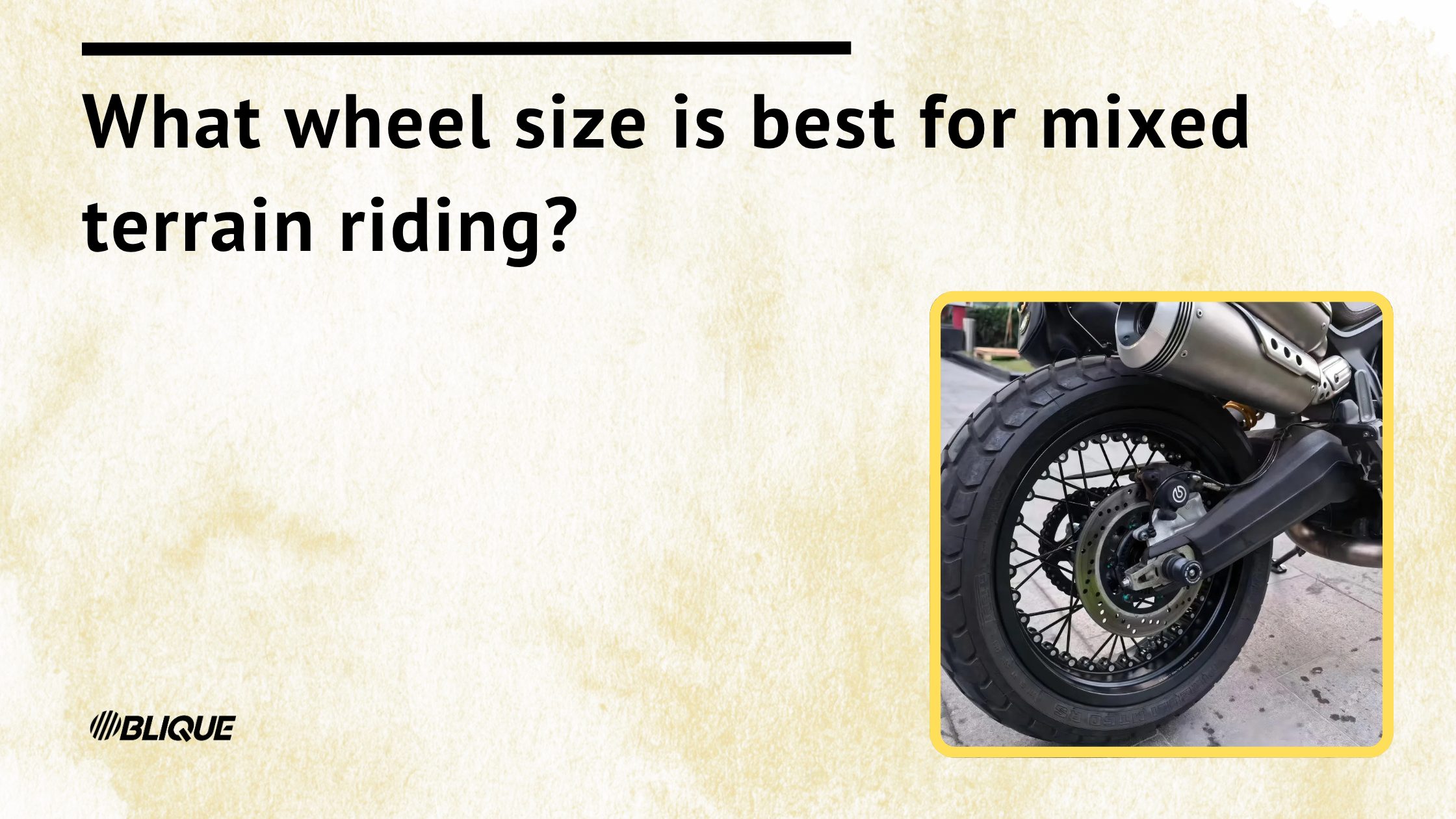
21/18 configuration remains the best compromise for genuine adventure riding.
The 21-inch front provides off-road capability needed for trails. Clears obstacles. Absorbs impacts. Does what adventure riding demands.
Still acceptable on highway. Some riders find it vague at speed compared to smaller wheels. Others adapt and stop noticing. Personal preference.
Tire selection is excellent. 50/50 and 80/20 options readily available from major manufacturers.
If your mixed terrain means 70% or more pavement with occasional gravel roads, consider the 19/18 Adventure Sports setup. Planted feel. Stability when loaded. Better for that use case.
Test ride both configurations if possible. Dealers sometimes have both variants available.
Most experienced Africa Twin owners recommend sticking with 21/18 for versatility. Unless you’re doing extreme single-track (keep the 21) or pure street riding (go 19 or 17).
How often should I check spoke tension?
New wheels require break-in check at 50 to 100 miles. Spokes settle during initial use. Normal process.
After break-in, check every 500 miles or monthly for regular riders. Whichever comes first.
More frequently if riding aggressive off-road terrain. Impacts stress spokes. Things loosen.
Simple tap test works. Spoke wrench handle or similar tool. Tap each spoke. Loose spokes produce dull sound. Properly tensioned spokes give clear ping. You’ll hear the difference immediately.
Spoked wheels require maintenance. Not set-and-forget like cast wheels. Accept this or buy different wheels.
Budget 30 minutes every few months for thorough check. Not complicated once you know what you’re looking for.
Professional wheel truing annually is worth the $50 to $100 cost. They catch problems you might miss.
Quality wheels from Warp 9, Woody’s, and similar builders arrive properly tensioned and trued. Require less frequent adjustment than budget options. The upfront investment pays off in maintenance time.
Aluminum nipples resist corrosion better than steel. Prevents seized adjusters that make maintenance frustrating.
Do I need a second wheelset?
Not necessary. Highly convenient for certain riders.
Second wheelset runs $1,500 to $2,500 for used or budget aftermarket options. Significant investment.
The payoff: keep street and off-road tires mounted separately. Swap wheels in 15 minutes instead of 2-plus hours for tire change. Or waiting on shop availability and paying mounting fees twice per season.
Popular strategy: Keep OEM wheels with street tires for commuting and touring. Invest in aftermarket tubeless wheels for aggressive terrain adventures. Transfer brake discs and ABS rings between sets. Keep extra disc hardware on hand, roughly $50.
Downside: Storage space requirements. Upfront cost hurts.
Alternative approach: Run 50/50 tires year-round as compromise. Works for many riders. Not optimal for anything but acceptable for everything.
For serious adventure riders doing varied terrain regularly, second wheelset pays dividends in convenience. Weekend warriors swapping between canyon carving and desert exploring benefit most.
One comment
Comments are closed.
Wow! In the end I got a webpage from where I be capable of in fact obtain useful information regarding my study and knowledge.