Don't miss our new customer offer - up to 8% OFF! ( Code: kineo8off )

BMW R1300 GS Wheels & Rims: Complete Upgrade Guide

The R1300 GS is already an impressive machine out of the box. But the wheels? They’re where most riders find room for real improvement.
Whether you’re chasing better off-road capability, easier puncture repairs in the middle of nowhere, or just want your GS to look different from every other one at the rally, wheel upgrades make sense. They affect how the bike handles, how much abuse it can take, and honestly, how much you enjoy riding it.
I’ve seen riders dump serious money into exhaust systems and ECU tunes while ignoring their wheels. Backwards thinking. Wheels are where rubber meets trail. They’re unsprung weight directly affecting suspension performance. They determine whether a puncture ends your ride or just slows you down for ten minutes.
This guide covers everything. Factory specs. Upgrade options. The cast versus spoked debate. And why tubeless spoked wheels have become the go-to choice for serious adventure riders.
Understanding BMW R1300 GS Factory Wheel Specifications
BMW offers different wheel setups depending on which R1300 GS variant you bought. Worth understanding what you’re starting with before planning any upgrades.
Standard R1300 GS Wheel Sizes
The base R1300 GS rolls on cast aluminum wheels. Front measures 3.0 x 19 inches. Rear is 4.5 x 17 inches.
These dimensions pair with 120/70 R19 rubber up front and 170/60 R17 in the rear. Standard adventure bike sizing that balances on-road stability with reasonable off-road capability.
Cast wheels keep things simple. No spoke maintenance. Easy to clean. They work fine for riders who mostly stay on pavement with occasional gravel road detours.
Weight varies by specific wheel option, but factory cast wheels aren’t particularly light. BMW prioritizes durability over weight savings at this price point. Makes sense for a bike that might get dropped on rocks.
R1300 GS Adventure Wheel Options
The Adventure model comes standard with cross-spoke wheels featuring aluminum rims. Different look. Different construction. Better suited for the Adventure’s more off-road-focused mission.
These cross-spoke wheels still require tubes though. That’s the catch. You get the spoked aesthetic and some additional impact resistance, but puncture repairs mean dealing with inner tubes. Annoying on the trail.
BMW also offers a forged wheel Enduro option. Lighter by about 3.9 pounds compared to the cross-spoke setup. Noticeable difference in how the bike responds, especially on rough terrain where unsprung weight matters most.
The forged option costs more. Whether it’s worth it depends on how sensitive you are to weight and how hard you ride off-road.
Wheel Compatibility Across GS Models
Here’s where things get interesting for riders considering used wheels or wondering about cross-compatibility.
R1200GS LC and R1250GS wheels share similarities with R1300GS wheels, but they’re not always direct bolt-on swaps. Bearing positions differ between generations. ABS sensor locations vary. Mounting bolt patterns may not match exactly.
Some combinations work with adapters or minor modifications. Others don’t work at all without significant fabrication.
Before buying used GS wheels from a different generation, verify bearing sizes, axle dimensions, and ABS sensor compatibility. Brake rotor mounting matters too. Getting this wrong means expensive mistakes.
When in doubt, stick with wheels specifically designed for the R1300 GS platform. Saves headaches.
Why Upgrade Your BMW R1300 GS Wheels?
Factory wheels work. But “works” and “optimal” aren’t the same thing.
Upgrading your R1300 GS wheels improves performance, enhances safety in certain situations, and opens up customization options BMW doesn’t offer from the factory.
Performance Enhancements
Reduced unsprung weight transforms how your GS handles. Every pound you remove from the wheels is a pound your suspension doesn’t have to manage over bumps.
Quality aftermarket wheels often weigh less than OEM equivalents. The difference shows up in faster suspension response, improved handling through technical terrain, and less fatigue over long days in the saddle.
Braking improves too. Lighter wheels accelerate and decelerate faster. Your existing brakes become more effective without any brake upgrades.
Off-road capability increases with the right wheel choice. Spoked wheels flex slightly under impact. Cast wheels don’t. That flex can mean the difference between bouncing off an obstacle and stopping dead.
Weight savings vary by wheel choice, but dropping two or three pounds per wheel adds up to meaningful improvement in how the bike responds.
Safety and Reliability Advantages
Tubeless capability changes everything for adventure riders.
Get a puncture with tubed wheels? You’re dismounting the tire, patching or replacing the tube, and remounting everything trailside. Hope you brought tools and know what you’re doing.
Get a puncture with tubeless wheels? Plug it. Inflate. Ride. Same as fixing a car tire. Takes minutes instead of potentially hours.
For riders venturing into remote areas, this matters enormously. A puncture in the middle of nowhere becomes a minor inconvenience rather than a potential emergency.
Stronger construction helps with extreme conditions too. Quality spoked wheels can be trued after impacts. Bent a spoke? Replace it. Try that with a cracked cast wheel.
Long-distance touring beats up wheels constantly. Poor roads, loaded bikes, varied conditions. Durable wheels designed for this abuse provide peace of mind.
Aesthetic and Customization Options
Let’s be honest. Part of the appeal is looks.
Spoked wheels have a classic adventure bike aesthetic that cast wheels can’t match. There’s a reason vintage rally photos feature wire wheels. They just look right on these machines.
Beyond the basic spoked appearance, quality aftermarket wheels offer color customization BMW doesn’t provide. Different rim colors. Hub colors. Spoke colors. Even nipple colors.
Build something unique. Your GS doesn’t have to look like every other R1300 GS on the road.
Kineo wheels are built in Italy with genuine craftsmanship. TÜV certified for street legal use in Europe. The quality shows in the details and the finish.
Cast Wheels vs Spoked Wheels: Making the Right Choice
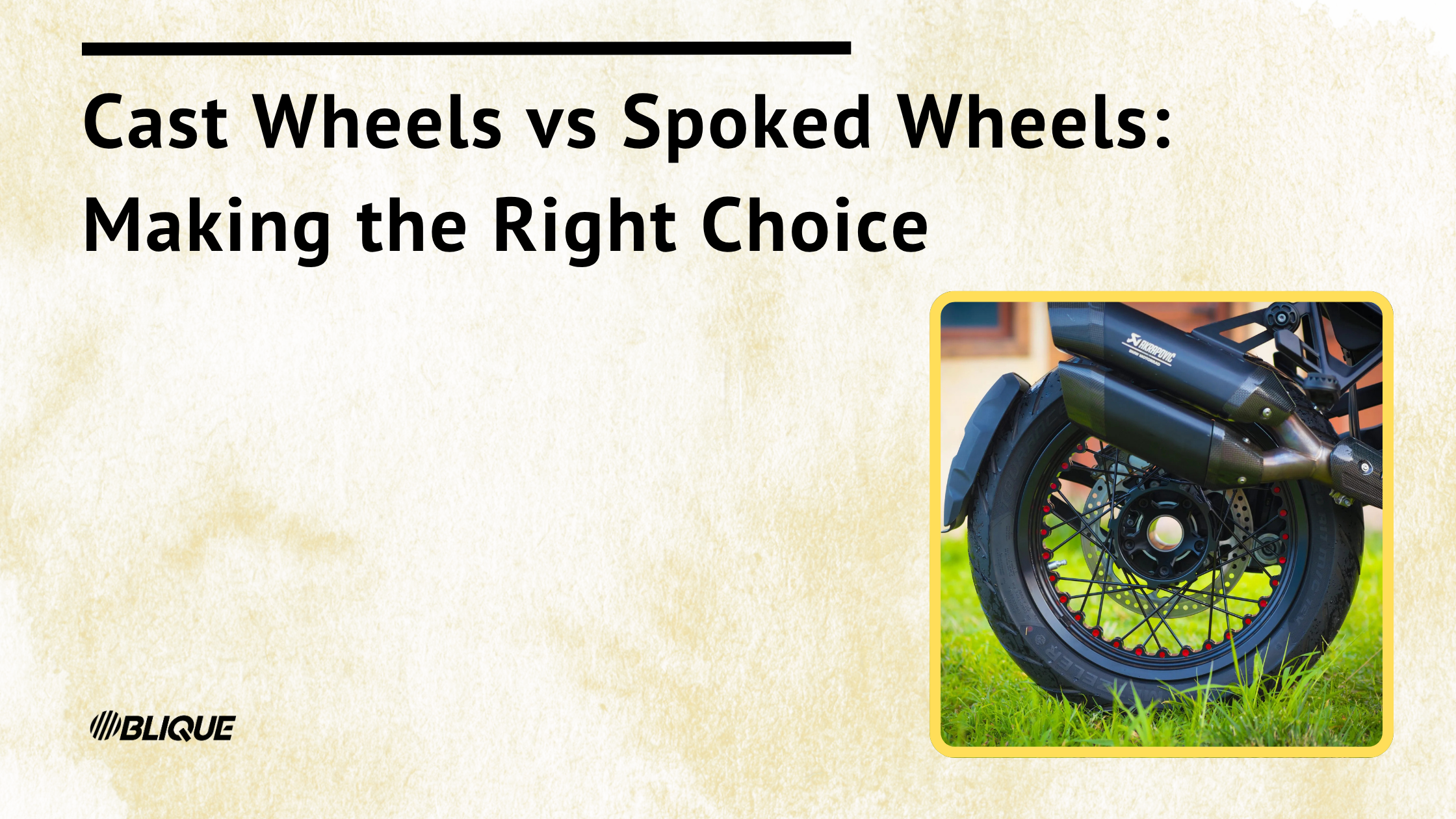
This debate never ends in GS forums. Both sides have valid points. The right answer depends on how you actually ride.
Cast Aluminum Wheels
Cast wheels have legitimate advantages for certain riders.
Pros: Generally lighter than traditional spoked wheels. Zero maintenance beyond keeping them clean. No spoke tensioning ever. Stiffer construction provides precise handling feedback. Tubeless capability standard.
Cons: Less forgiving when you hit something hard. Cast aluminum can crack or warp from severe impacts. Damage often means complete wheel replacement. No truing possible.
Best for: Riders who stay primarily on pavement. Highway touring. Minimal off-road use. If your idea of adventure riding is well-maintained gravel roads, cast wheels work fine.
Traditional Spoked Wheels with Tubes
The original adventure bike setup. Still has a place for specific applications.
Pros: Can be repaired and straightened after damage. Individual spokes replaceable in the field. Lower purchase price typically. Proven technology.
Cons: Require inner tubes for air retention. Usually heavier than cast or tubeless spoked alternatives. Regular maintenance needed for spoke tensioning. Puncture repairs more complicated.
Best for: Hardcore off-road riders on a budget. Situations where extreme abuse is expected and repairability matters more than convenience. Rally racers sometimes prefer tubed setups for specific reasons.
Tubeless Spoked Wheels (Kineo Technology)
The best of both worlds. This is where the technology has evolved.
Sealed rim construction eliminates the need for inner tubes on spoked wheels. No rubber seals degrading over time. The rim itself holds air.
You get spoked wheel impact resistance and repairability combined with tubeless tire convenience. Puncture happens? Plug it and ride. Same as any tubeless setup.
Kineo’s design is genuinely different from other tubeless spoked wheels. The nipples align parallel to the wheel axle. No holes penetrate the rim surface. Nothing to seal. Nothing to fail.
Construction uses 7000 series aluminum. Aerospace-grade material. TÜV approved for street use in Europe, which means it’s been tested and certified to actual standards.
For most R1300 GS riders, tubeless spoked wheels make the most sense. The combination of benefits outweighs any downsides.
Kineo Tubeless Spoked Wheels for BMW R1300 GS
Time to get specific about what Kineo offers and why their approach works.
What Makes Kineo Wheels Different?
Kineo wheels come from OBLIQUE Racing in Italy. Not a mass-production factory. Actual craftsmen building wheels.
Their patented tubeless spoked wheel technology eliminates the maintenance headaches of traditional spoked wheels. No regular spoke tensioning required. The design maintains tension without the fiddling other spoked wheels need.
Forged 7000 series aluminum hubs resist stress better than cast alternatives. Sealed rim design holds air without relying on rubber seals that degrade.
Here’s the key difference: Kineo’s spokes attach without penetrating the rim surface. Traditional tubeless spoked wheels drill holes through the rim and seal them. Kineo’s approach means no holes to seal. Nothing to fail. Nothing to maintain.
The quality shows in person. These aren’t painted wheels that chip. Anodized finish. Proper engineering throughout.
Technical Specifications & Construction
Rims are machined from billet 7000 series aluminum. Starts as a solid block. Ends as a precision wheel component. No casting porosity issues.
Hubs are forged, not cast. Forging aligns the metal grain structure for maximum stress resistance. Important when you’re landing hard off obstacles.
High-resistance stainless steel spokes connect everything. 28 spokes on the front wheel. 32 on the rear. Enough to distribute loads properly without unnecessary weight.
Natural balancing happens through precise component alignment. When everything is machined to tight tolerances and assembled correctly, the wheel balances itself with minimal additional weights.
Spoke replacement doesn’t require removing the wheel from the bike or dismounting the tire. Accessible with a Torx wrench. Practical if something happens trailside.
Available Sizes for R1300 GS
OEM-equivalent sizing: 19 x 3.00 inches front, 17 x 4.50 inches rear. Plug and play. Direct replacement for factory wheels.
But Kineo offers options beyond stock dimensions.
Want more off-road capability? 21-inch front wheel puts you in serious enduro territory. Better obstacle clearance. Different steering characteristics. Requires appropriate tires obviously.
Prefer a narrower rim for off-road focus? 19 x 2.50 inch front option allows mounting narrower tires. More flotation in sand. Better mud clearing. Different tool for different jobs.
All options designed as plug-and-play with no modifications required to your R1300 GS. Bolt on and ride.
Color Customization Options
This is where personalization gets fun.
Rim colors available: black, silver, blue, gold, red, white, brown, orange. Custom colors possible by request.
Hub colors can match or contrast with rims. Same options available.
Spoke colors typically black or silver. Nipple colors same.
Important note about anodizing: colors can vary slightly based on the anodizing method, dye quality, and even lighting conditions when viewing. Two “blue” wheels from different batches might not match perfectly. Nature of the process. Not a defect.
The combination possibilities are extensive. Black rims with gold hubs. Silver everything for classic look. Red accents matching your GS paint. Whatever works for your build.
Installation and Compatibility
Plug-and-play design means exactly that. Kineo wheels for R1300 GS use OEM bearing positions and sizes. No modifications to your motorcycle required.
Reuse your original brake discs, spacers, and hardware. Everything bolts up where it should.
TÜV approved for street use. Legally certified in Europe. Important for registration and insurance in jurisdictions that care about such things.
Compatible with tubed tires too, if you ever need that capability for specific off-road applications.
ABS speed sensor compatibility confirmed. Your safety systems continue working normally.
TPMS sensor requirements vary. Check your specific setup. Some R1300 GS models use tire pressure monitoring that may need sensor transfer or replacement.
How to Choose the Right Wheels for Your Riding Style
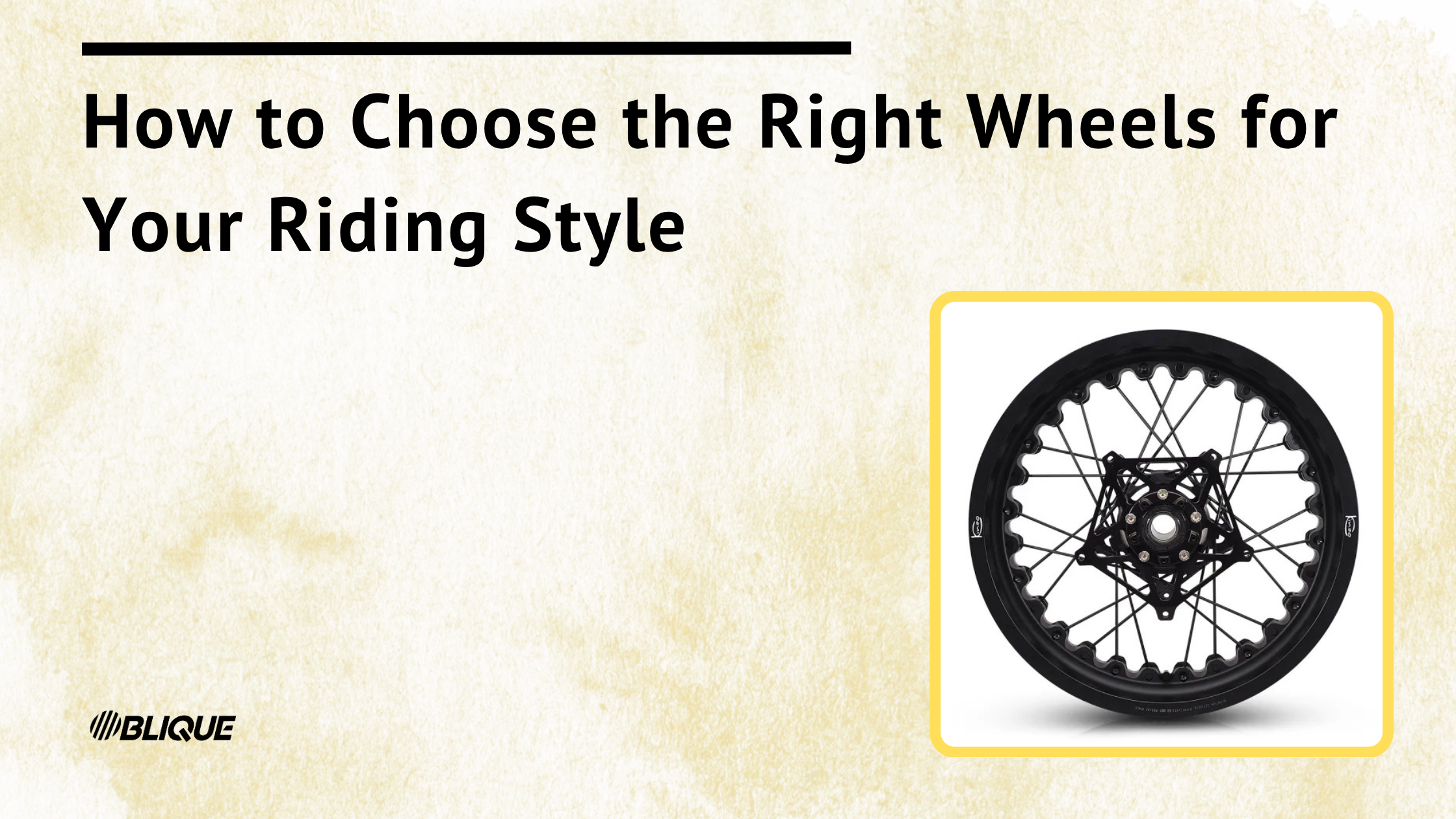
Different riding means different requirements. Here’s how to match wheels to what you actually do.
For Adventure Touring & Long-Distance Riders
You need tubeless spoked wheels. Not optional. Highly recommended.
Long distances mean more puncture opportunities. Remote areas mean fewer repair options. The ability to plug a puncture and continue riding transforms potential trip-ending emergencies into minor delays.
Tubeless capability also means more tire options. The best adventure touring tires are tubeless designs. Running them on tubed wheels wastes their potential.
Comfort matters over distance too. Spoked wheels’ slight flex absorbs impacts better than rigid cast wheels. Less fatigue after 500-mile days.
Kineo wheels work well for this application. Durability for the long haul. Convenience when things go wrong.
For Serious Off-Road & Enduro Riding
Tubeless spoked wheels are mandatory. You will get punctures. Accept this and prepare accordingly.
Consider narrower rim options for truly aggressive off-road use. 19 x 2.50 inch front allows narrower tires that cut through mud better and float on sand. The 21-inch front wheel option provides maximum obstacle clearance.
For extreme abuse, heavy-duty spoke options exist. Excel Takasago rims offer maximum durability for riders who regularly send it into situations that destroy lesser equipment.
HD spokes handle the repeated impacts of serious trail riding. Worth the extra cost if you’re actually using the bike’s capabilities.
Your riding determines requirements. Weekend fire roads need different equipment than Baja rally attempts.
For Street & Highway Focused Riding
Cast wheels work fine if you truly don’t ride off-road. No shame in admitting your GS sees mostly pavement.
Lighter weight benefits handling at highway speeds. No maintenance requirements. Easier to keep clean.
Cost considerations matter too. Quality cast wheels typically cost less than premium spoked alternatives.
But honestly? If you bought a GS and never leave pavement, spoked wheels still look better. Aesthetic choice is valid even without functional necessity.
For Mixed On/Off-Road Use
This is most R1300 GS riders. Some pavement. Some dirt. Varying ratios depending on the week.
Tubeless spoked wheels are the ideal compromise. Handle both terrains competently. Easy puncture repair regardless of where it happens.
Kineo represents the optimal solution for this use case. Combines the best attributes of both wheel types without meaningful compromise.
The investment pays off over years of varied riding. One wheel choice handles everything you’ll realistically do.
Frequently Asked Questions
Are Kineo wheels compatible with my R1300 GS?
Yes. Kineo designs wheels specifically for the R1300 GS platform.
Plug-and-play installation with no modifications required. Uses your existing brake discs, spacers, and mounting hardware.
R1200GS LC and R1250GS compatibility exists as well, potentially with minor adapters depending on specific year and model. Verify before ordering.
Can I run tubeless tires on spoked wheels?
Yes. Kineo wheels are specifically designed for tubeless tire operation.
The sealed rim construction holds air without inner tubes. No rubber seals to maintain or replace. The design is inherently airtight.
You can also run tubed tires on Kineo wheels if needed for specific off-road applications. Flexibility in both directions.
How long does it take to receive custom-built wheels?
Typical lead time is 7 to 10 weeks.
These wheels are made to order with precision care in Italy. Not pulled from warehouse inventory. Built specifically for you.
Worth the wait for the quality received. Plan ahead if you have a specific trip deadline.
What if I get a puncture on the trail?
Tubeless wheels allow plug-and-ride repairs identical to car tire punctures.
Carry a tubeless plug kit. Insert plug. Inflate with a portable compressor or CO2. Continue riding.
Vastly superior to tube-type wheels requiring complete tire dismount for repair. The convenience difference is enormous in real-world situations.
Do I need special tools for installation?
Standard tools work for wheel installation and removal.
R1300 GS wheel service kit available from BMW or aftermarket sources covers what you need.
Torx wrenches are required for spoke adjustments if ever needed, but regular tensioning isn’t required with Kineo’s design.
Will this affect my insurance or warranty?
TÜV approval provides legal certification for street use. Important documentation for jurisdictions requiring it.
Declare modifications to your insurance provider. Standard practice for any motorcycle modification.
Aftermarket wheels shouldn’t void your BMW warranty for unrelated issues. Dealers can’t deny engine warranty claims because you changed wheels. But verify specific warranty language with your dealer if concerned.
Can I change rim colors later?
Difficult after anodizing is complete. The color is in the aluminum, not on top of it.
Choose carefully during initial order. Live with your decision or buy new rims.
Custom color requests are possible during ordering. If you want something not in the standard options, ask. Might be doable.
How do these compare to Woody’s Wheel Works?
Both are premium options serving similar markets.
Kineo: Italian-made. Patented no-maintenance spoke design. Unique nipple orientation eliminating rim penetration. TÜV certified.
Woody’s: US-made. Custom builds for various applications. Different design philosophy. American craftsmanship.
Compare lead times, specific features for your application, and pricing. Both companies produce quality products. Different approaches to solving similar problems.
The choice often comes down to specific fitment requirements, preferred aesthetics, and which design philosophy resonates with your priorities.