Don't miss our new customer offer - up to 8% OFF! ( Code: kineo8off )

Benefits of Tubeless Spoked Wheels vs Tube-Type Wheels: The Complete Guide

Spoked wheels have been around since motorcycles existed. Beautiful, functional, proven technology. But they had one annoying requirement for decades: inner tubes.
That’s changed.
Tubeless spoked wheels combine everything riders love about traditional spokes—the durability, the flexibility, the look—with modern tubeless convenience. No more worrying about pinch flats. No more carrying spare tubes on adventure rides. No more sketchy roadside repairs involving tire irons and tube patches.
This guide covers what you actually need to know. How tubeless spoked wheels work. Why they’re safer than tube-type setups. When traditional tubes still make sense. And how to decide which setup fits your riding.
What Are Spoked Wheels?
Spoked wheels use steel wires connecting the central hub to the outer rim. Simple concept that’s worked for over a century.
The spokes provide flexibility. Hit a rock or pothole, the wheel absorbs impact by allowing slight movement in the spokes rather than transferring everything directly to the rim. This matters off-road. It matters on rough pavement too.
Adventure bikes, dual-sport motorcycles, enduro machines—they run spoked wheels for good reasons. The construction handles abuse that would crack or dent cast wheels. You can straighten a bent spoke. Can’t un-crack a cast wheel.
The traditional catch? Spoke nipples penetrate the rim. Air escapes through those holes. So spoked wheels historically required inner tubes to hold air pressure. The tube sits between the tire and rim, sealed around a valve stem, doing what the rim itself couldn’t do.
That requirement shaped motorcycle design for generations. Until engineers figured out how to seal those spoke holes.
What Are Tubeless Spoked Wheels?
Tubeless spoked wheels are modern engineered solutions that eliminate the need for inner tubes entirely.
The key is sealing technology. Manufacturers found ways to keep spoke nipples from penetrating the air chamber. Different approaches exist—some mount nipples outside the rim entirely, others use sealed systems that prevent air from reaching the spoke holes.
Kineo uses proprietary sealing methods that have been tested and refined over years. The rim construction is completely airtight. Spokes attach and tension properly while the air chamber remains sealed.
The result? Spoked wheel benefits with tubeless tire convenience. Run modern tubeless tires. Use plug kits for repairs. Get gradual air loss from punctures instead of instant blowouts. All while keeping the aesthetic and functional advantages of wire spokes.
What Are Tube-Type Wheels?
Tube-type construction uses two separate components: the tire and an inner tube.
The tire provides traction, wear resistance, and protection. The tube handles air retention. It’s basically a rubber balloon sitting between the rim and tire, holding pressurized air and attaching to a valve stem for inflation.
This system has existed since motorcycling began. It works. Billions of miles ridden on tube-type setups prove that.
The tube holds pressure where the rim can’t. On spoked wheels with nipples penetrating the rim, the tube seals everything from inside. Inflate through the stem valve, pressure builds in the tube, tire seats against the rim, and you’re rolling.
Simple. Proven. Also has some limitations that tubeless technology addresses.
How Tubeless Spoked Wheels Work
Understanding the engineering helps explain why these wheels perform differently than traditional setups.
The Engineering Behind Tubeless Spoked Wheels
Sealed rim construction is where everything starts. The rim itself must be completely airtight. No spoke holes reaching the air chamber. No pathways for pressure to escape.
Different manufacturers approach this differently. Outboard flange mounting puts spoke nipples on the outside edge of the rim, away from the air chamber entirely. Inboard flange systems seal nipples from the inside. Straight-pull spoke designs change how spokes attach to allow different sealing approaches.
Kineo uses aerospace-quality stainless steel spokes. High-grade aluminum alloys for rims. CNC machining ensures precise tolerances—air leaks come from imperfections, so precision matters enormously.
These aren’t mass-produced cast wheels. Hand-built quality with individual attention to each wheel. Spokes tensioned properly. Seals verified. Balance checked.
TÜV certification matters here. European safety standards require rigorous testing. Wheels need to handle impacts, fatigue cycles, and real-world abuse. Certification means the engineering has been validated independently.
Different Sealing Methods Explained
Factory-sealed wheels come ready to run tubeless from day one. The sealing is built into the construction. No additional steps needed.
DIY approaches exist for riders wanting to convert existing wheels. Results vary significantly. Rim tape, sealants, and various home methods can work on some wheels. Others leak no matter what you try. The rim design determines what’s possible.
Proprietary sealing technology like Kineo’s method provides reliability that DIY approaches can’t match. Purpose-built from the start rather than converted after the fact.
Cross-spoked rim technology attaches spokes to the rim edge rather than through the center channel. This keeps the bead seat area clear and sealed. Hub-mounted nipples versus rim-mounted nipples changes where tensioning happens and how the air chamber stays isolated.
For reliability, purpose-built tubeless spoked wheels beat conversion attempts. The engineering is integrated rather than added on.
Key Benefits of Tubeless Spoked Wheels
This is why riders upgrade. Real advantages that affect real riding situations.
1. Superior Puncture Management and Safety
Tubeless tires handle punctures fundamentally differently than tubes.
Pick up a nail on a tubeless setup. The tire often seals around the nail, losing air slowly if at all. Pull the nail out, air escapes gradually. You notice the pressure dropping. You have time to respond.
Pick up a nail with a tube? The tube gets punctured. Air rushes out. Depending on the puncture size, you might have seconds before the tire is flat. At highway speeds, sudden deflation creates genuinely dangerous situations. The bike pulls hard to one side. Control becomes difficult. Crashes happen.
Gradual deflation allows controlled stops. You feel the handling change slightly. Check the tire. See the issue. Pull over safely. Repair or call for help without having just survived a high-speed emergency.
Real-world scenario: You’re 50 miles from anywhere on an adventure ride. Pick up something sharp. With tubeless, you might not even need to stop immediately. With a tube, you’re dealing with a flat right now, in a remote location, hoping the puncture is repairable.
2. Quick and Easy Roadside Repairs
Plug kit repairs take minutes. Find the puncture, ream the hole, insert the plug, inflate, ride away. The wheel stays on the bike. The tire stays on the rim.
Tube repairs? Remove the wheel. Break the tire bead. Extract the damaged tube. Find the puncture. Patch it or replace the tube. Reseat the tire. Inflate carefully to avoid pinching the new tube. Remount the wheel. Minimum 20 minutes if everything goes smoothly. Often longer.
Tire irons during tube repair create their own risks. Pinch the tube while reseating the tire and you’ve created a new puncture. Done this yourself? Frustrating doesn’t cover it.
Solo riders benefit most from plug kit simplicity. No need to find help. No need for extensive tools. A plug kit fits in a pocket. Tube repair requires carrying spare tubes, irons, pumps, patches, and the knowledge to use everything correctly under pressure.
3. Reduced Weight and Better Performance
Inner tubes have weight. Eliminating them saves rotating mass.
Rotating mass affects handling more than static weight. Your suspension and engine work harder to spin heavier wheels. Reduce that weight and acceleration improves. Direction changes happen more readily. Steering feels lighter.
Depending on tire size, tubes weigh roughly half a kilogram to over a kilogram each. Front and rear adds up. That weight disappears with tubeless.
Beyond the weight savings, there’s the unsprung weight consideration. Wheels are unsprung mass. Your suspension manages them over bumps without help from the bike’s main mass. Lighter wheels let suspension work more effectively.
Fuel efficiency improves marginally. Tire longevity can improve too—less heat means less degradation. Small gains, but gains.
4. Lower Operating Temperatures
Tubeless tires run cooler than tube-type setups.
Why? No tube rubbing inside the tire. Friction between tube and tire generates heat. Eliminate the tube, eliminate that friction source.
Heat degrades rubber. Lower operating temperatures extend tire lifespan. Your tires last longer and maintain their performance characteristics further into their service life.
Long-distance riding amplifies this difference. Hour after hour at highway speeds, tubes heat up continuously. That heat affects grip, wear, and eventually structural integrity. Tubeless stays cooler throughout.
5. Better Air Retention
Tubeless systems hold air better than tube-type in most conditions.
Tubes develop slow leaks. Valve stems age. Nipple areas allow gradual seepage even when the tube isn’t punctured. You check pressure, it’s low again. Annoying and potentially dangerous if you don’t catch it.
Quality tubeless spoked wheels maintain pressure consistently. The airtight construction does what it’s designed to do. Check pressure monthly instead of weekly.
Less frequent pressure checks needed. Still check regularly—pressure affects handling, wear, and safety regardless of wheel type. But tubeless doesn’t need the constant attention tubes demand.
6. Flexibility for Tire Pressure Adjustments
Adventure riders adjust pressure constantly. Lower for sand or soft terrain. Higher for highway. Back down for gravel. Up again for pavement.
Tubeless makes this simple. Let air out. Add air. Done.
Tube-type at lower pressures creates pinch flat risk. The tube can get caught between rim and obstacle, puncturing even without anything sharp involved. Limits how low you can safely go.
Tubeless eliminates pinch flat concerns within reason. You can run lower pressures off-road without worrying about the tube. The tire can flex and conform to terrain without something inside getting damaged.
7. Individual Spoke Replacement Without Tire Removal
This maintenance advantage surprises people.
Quality tubeless spoked wheels like Kineo use hub-mounted tensioning systems. Spoke replacement can happen without removing the tire. Access the nipple at the hub, swap the spoke, retension, done.
Traditional spoked wheels require tire removal for spoke work. The nipples sit at the rim, under the tire. Big job for a single spoke replacement.
This matters for maintenance convenience and cost. Spoke issues don’t require full tire service. Faster repairs. Less labor if you’re paying someone else.
8. Modern Aesthetics with Classic Style
Spoked wheels look right on certain motorcycles. Cast wheels on a scrambler or café racer? Feels wrong. The classic aesthetic matters.
Tubeless spoked wheels deliver that visual appeal with modern functionality. You get the look you want without accepting vintage limitations.
Customization options expand the aesthetic possibilities. Different spoke colors. Various rim finishes. Hub color choices. Build wheels that match your vision while performing like modern equipment should.
Advantages of Tube-Type Wheels
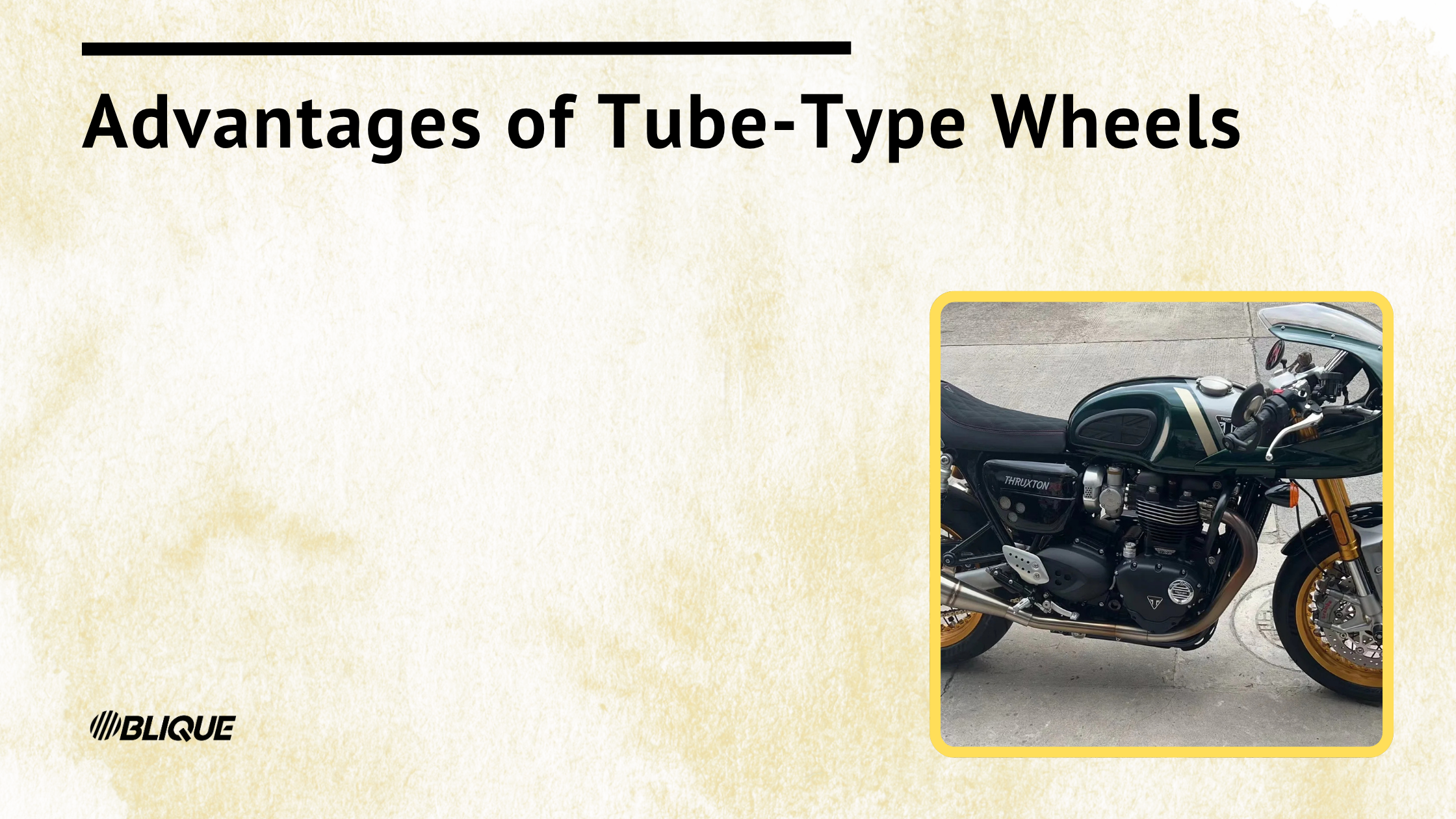
Fair assessment requires acknowledging where tube-type setups still make sense.
When Tube-Type Wheels Still Make Sense
Extreme off-road use sometimes favors tubes. Dent a rim badly in the rocks, a tube might still hold air where a tubeless setup would leak from rim damage. The tube is the air chamber, not the rim.
Lower initial cost matters for budget-conscious riders. Traditional spoked wheels with tubes cost less than premium tubeless spoked wheels. Significant difference for some budgets.
Remote area repair can favor tubes in certain situations. Tubes are available globally. Basic tools can handle repairs. A new tube costs little and takes minimal skill to install. When you’re somewhere that’s never heard of plug kits, a spare tube might serve better.
Simplicity has value. Replacing a tube is straightforward. Anyone can learn it. Sealing issues with some tubeless setups create headaches tubes don’t.
Vintage motorcycles maintaining original specifications need tube-type. Switching to tubeless changes the bike from stock. Some owners care about authenticity.
Heavy-duty tubes exist for harsh conditions. Thicker rubber, more puncture resistance, designed for abuse. Purpose-built for the worst terrain.
Off-Road Durability and Flexibility
Traditional spoked wheels with tubes excel in severe terrain for specific reasons.
The spoke construction provides flexibility and impact absorption. Same advantage as tubeless spoked wheels. Hit something hard, spokes flex rather than transferring everything to the rim.
Hardcore off-road and motocross riders often prefer tube-type. The abuse level is extreme. Rim damage happens regularly. Tubes accommodate that reality.
Bent spokes can be straightened and riding continues. A bent spoke on any spoked wheel—tube or tubeless—is fixable. But tube-type doesn’t add sealing concerns on top of spoke concerns.
Cost Considerations
Initial purchase costs differ substantially.
Quality tubeless spoked wheels represent a significant investment. Kineo wheels cost more than basic OEM spoked wheels with tubes. The engineering and materials justify the price, but the price is real.
Tube replacement costs almost nothing. When a tube fails, new tubes are cheap. Tire costs remain similar either way.
Budget decisions have to factor both upfront expense and long-term value. Premium wheels last and perform. Budget setups work and can be replaced cheaply. Different math for different riders.
Comparing Tubeless Spoked Wheels vs Tube-Type Wheels
Direct comparison helps clarify the differences.
Safety Comparison
Puncture behavior is the critical safety distinction.
Tubeless: gradual air loss. Time to respond. Controlled stops possible. High-speed stability maintained longer during deflation.
Tube-type: potential instant deflation. Less warning. Emergency handling situations. High-speed blowouts genuinely dangerous.
The safety advantage of tubeless is substantial and real. Not theoretical. Riders have avoided crashes because tubeless gave them time that tubes wouldn’t have.
Maintenance and Repair Comparison
Tubeless roadside repair: plug kit, 5-10 minutes, wheel stays mounted, minimal tools, anyone can learn.
Tube-type roadside repair: wheel removal, tire dismount, tube access, patch or replace, reassembly, 20-60 minutes, requires tools and technique, risk of pinch damage during reassembly.
Regular maintenance: similar for both. Pressure checks. Spoke tension verification. Visual inspection. Tubeless doesn’t need seal maintenance on properly built wheels.
Performance Comparison
Handling: tubeless advantages from weight reduction. Lighter steering, quicker transitions, improved suspension response.
Weight: tubeless eliminates tube mass. Both static and rotating weight savings.
Temperature: tubeless runs cooler. Longer tire life, more consistent grip.
Fuel efficiency: slight tubeless advantage from reduced weight.
Tire longevity: tubeless advantage from lower heat and better pressure retention.
Cost Comparison
Upfront: tubeless spoked wheels cost more. Sometimes significantly more.
Long-term value: tubeless saves on tube purchases, potentially avoids costly blowout damage, less frequent tire replacement from heat degradation.
Maintenance expenses: similar, possibly lower for tubeless due to easier repairs and less frequent tube-related issues.
Investment versus budget: tubeless represents investing in safety and performance. Tube-type represents functional transportation at lower cost.
Durability Comparison for Different Riding Conditions
Paved roads: Tubeless excels. Better safety, easier repairs, improved performance.
Light off-road: Tubeless handles it well. Spoke flexibility plus tubeless convenience.
Adventure touring: Tubeless is ideal. Long distances, varied terrain, solo travel all favor tubeless advantages.
Extreme off-road: Tube-type may be preferable. Rim damage tolerance, global repair accessibility, abuse resistance.
Track/sport riding: Tubeless strongly preferred. Performance advantages matter most here.
Why Choose Tubeless Spoked Wheels?
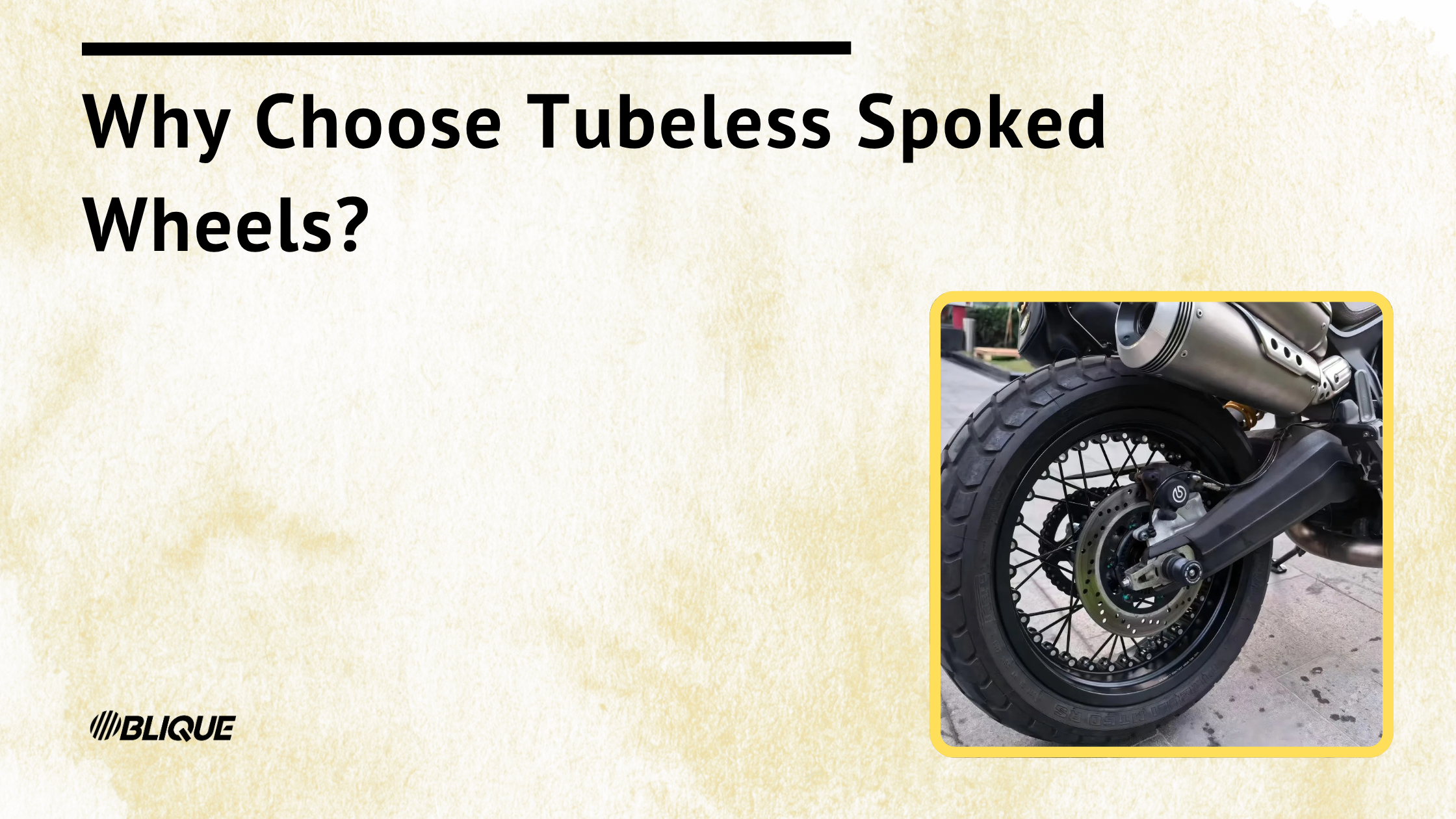
Decision time. Who benefits most?
Ideal Riders and Use Cases
Adventure touring enthusiasts who cover long distances through varied terrain. The safety and repair convenience matter constantly.
Dual-sport riders doing mostly road with some off-road. Pavement performance plus light trail capability.
Long-distance travelers who need reliability far from repair shops. Self-sufficiency matters.
Riders who value safety and convenience over initial cost savings. The investment protects you.
Motorcyclists who ride solo in remote areas. No one to help with complicated repairs.
Those wanting modern performance with classic aesthetics. The look matters, but so does function.
Popular Motorcycles That Benefit from Tubeless Spoked Wheels
Adventure bikes lead the category. BMW GS series. Triumph Tigers. KTM Adventure models. Honda Africa Twin. Yamaha Ténéré. These bikes travel far, need reliability, and often come with or accommodate tubeless spoked wheels.
Retro and classic styled bikes wanting modern safety. Triumph Bonneville range. Royal Enfield models. Ducati Scrambler. The classic look with modern protection.
Dual-sport motorcycles that see real road miles. Pavement capability with off-road readiness.
Café racers and custom builds where aesthetics drive decisions. Spoked looks matter. So does function.
Many premium bikes now offer tubeless spoked wheels as OEM equipment or dealer options. Manufacturers recognize the demand.
Can you put tubeless tires on spoked wheels with tubes?
Yes. This gets done constantly.
Harley-Davidson runs tubeless tires with tubes on many models. Retro bikes do the same. The tire works fine with a tube inside.
But here’s the thing. The wheel design determines whether you need the tube. Not the tire type. Tubeless tires on tube-requiring wheels still need tubes. You’re using the tire, but not its tubeless capability.
Some tubeless tires work perfectly with tubes. Others have compatibility notes. Check manufacturer recommendations.
Do tubeless spoked wheels require special maintenance?
No special maintenance for quality factory-sealed wheels.
Regular pressure checks as with any tire. Standard tire care applies. Spoke tension checks on normal intervals.
No seal maintenance needed on properly constructed wheels like Kineo. The sealing is permanent and robust. Not something requiring periodic attention.
Treat them like any quality wheel. They’ll perform like quality wheels do.
What happens if a tubeless spoked wheel gets a flat?
For punctures in the tread area, use a plug kit. Roadside repair in minutes. Same as any tubeless tire.
Many punctures can be ridden on briefly with slow leaks. Enough to reach safety or find proper repair location.
Sidewall damage is different. Sidewall punctures or cuts aren’t repairable with plugs. That’s true for any tubeless tire.
Standard tubeless tire repair procedures apply. Nothing special about tubeless spoked wheels once you’re fixing the tire itself.
Are tubeless spoked wheels good for off-road riding?
Excellent for adventure riding and moderate off-road. The spoke flexibility provides impact absorption. Tubeless convenience means easier pressure adjustments and simpler repairs.
May not be ideal for extreme hard enduro or rock crawling where rim damage is expected and frequent.
Perfect for dual-sport and adventure touring. The typical use case involves mixed surfaces with emphasis on reaching destinations reliably. Tubeless spoked wheels excel there.
How much do tubeless spoked wheels cost?
Premium aftermarket sets range widely based on manufacturer, materials, and fitment.
Kineo sets represent investment in safety and performance. Quality materials, proven engineering, TÜV certification. Price reflects what you’re getting.
Consider the alternative costs. Tube failures in remote locations. Blowout damage. Time lost to complicated repairs. The math includes more than purchase price.
Long-term value versus initial cost. Most riders who upgrade don’t regret the investment once they’ve experienced the difference.
Can I convert my existing wheels to tubeless?
DIY sealing is possible. Results vary tremendously based on rim design, technique, and luck.
Some wheels convert successfully. Others leak no matter what approach you try. The rim needs a safety bead for tubeless tires to seat properly. Not all spoked rims have this.
Professional conversion services exist. Better results than DIY typically.
Purpose-built wheels like Kineo are recommended for reliability. Engineered from the start for tubeless operation rather than converted afterward. When safety depends on air retention, purpose-built engineering beats improvised solutions.